Indonesia’s growing infrastructure demands high-quality sand and aggregates, making bearing jaw crushers a critical component in crushing lines. These robust machines handle primary crushing of hard rocks (e.g., granite, basalt) with efficiency and durability.
Modern bearing jaw crushers integrate heavy-duty roller bearings for smooth operation under extreme loads. Key specifications include:
| Model | Feed Opening (mm) | Max Feed Size (mm) | Capacity (t/h) | Power (kW) |
|————-|——————-|——————–|—————-|————|
| PE-400×600 | 400×600 | 340 | 16–64 | 30 |
| PE-750×1060 | 750×1060 | 630 | 110–320 | 110 |
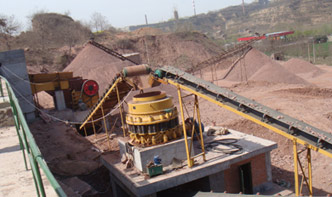
1. Primary Crushing: Bearing jaw crusher reduces raw material to ≤200mm.
2. Secondary Crushing: Cone crusher further refines output to ≤50mm.
3. Sand Making: VSI crusher produces cubical sand (0–5mm).
4. Screening: Vibrating screens classify aggregates into multiple grades.
Q: How to maintain jaw crusher bearings?
A: Regularly check lubrication (grease type: ISO VG 150), monitor temperature (<70°C), and replace seals if leaking.
Q: What’s the lifespan of jaw plates?
A: Typically 3–6 months, depending on abrasiveness of material (e.g., basalt wears faster than limestone).
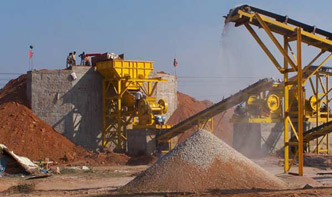
Location: Sumatra, Indonesia
Material: Andesite (compressive strength: 150MPa)
Solution: PE-750×1060 jaw crusher + HPT300 cone crusher + VSI1145 sand maker. Output: 200t/h finished aggregates meeting ASTM C33 standards for concrete production.