Limestone beneficiation enhances the quality of raw limestone by removing impurities like silica, clay, and iron oxides. This process improves purity, whiteness, and chemical consistency, making it ideal for high-value applications such as cement production, metallurgy, and environmental remediation. Key benefits include:
– Higher Product Value: Purified limestone commands premium prices in markets like pharmaceuticals and food additives.
– Reduced Waste: Efficient separation minimizes quarry waste and optimizes resource utilization.
– Energy Savings: Pre-processing reduces grinding energy in downstream applications.
A typical limestone crushing and sand-making line includes:
1. Primary Jaw Crusher: Coarse crushing (e.g., PE600×900, capacity 50–160 t/h).
2. Secondary Cone Crusher: Fine crushing (e.g., HP300, capacity 90–250 t/h).
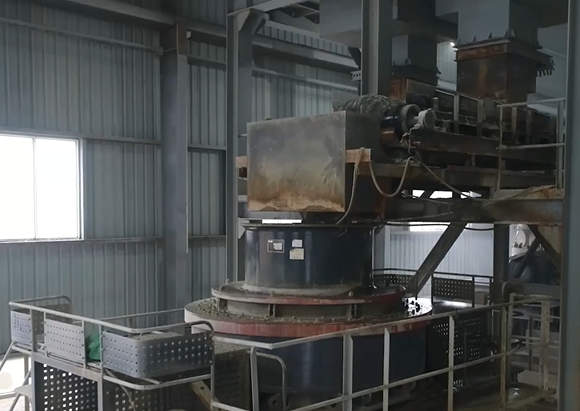
3. Tertiary Impact Crusher/VSI Sand Maker: Shaping aggregates (e.g., VSI1140, output 50–520 t/h).
4. Vibrating Screens & Sand Washers: Grading and cleaning (e.g., 3YK3070 screen, processing 70–400 t/h).
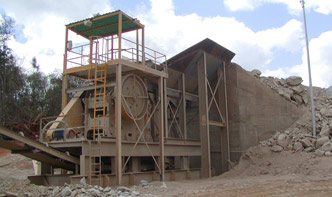
| Equipment | Model | Capacity (t/h) | Power (kW) | Output Size (mm) |
|——————–|———–|—————-|————|——————|
| Jaw Crusher | PE600×900 | 50–160 | 75 | 65–160 |
| Cone Crusher | HP300 | 90–250 | 220 | 5–60 |
| VSI Sand Maker | VSI1140 | 50–520 | 250 | 0–5 |
Q1: What’s the lifespan of crusher wear parts?
A1: Jaw plates last ~6 months; cone mantles ~4 months under normal conditions.
Q2: How to control dust in limestone crushing?
A2: Use water sprays + bag filters or enclosed conveyors.
Project: A Saudi Arabian limestone plant upgraded to