Bentonite feeding equipment plays a critical role in sand and aggregate production lines, ensuring precise material dosing for optimal crushing and screening. This cohesive clay mineral is widely used to enhance pelletizing, binding, and moisture control in processes like concrete sand or road base material production.
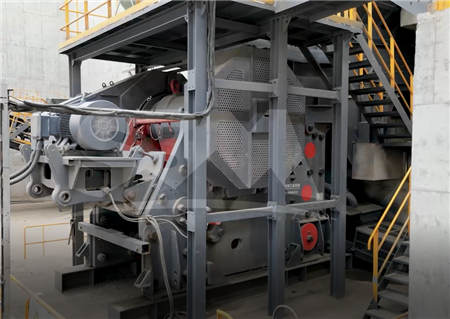
Key bentonite feeding systems include screw feeders, belt feeders, and volumetric hoppers. Below are typical specifications:
| Model | Capacity (t/h) | Power (kW) | Accuracy (%) |
|—————–|——————-|—————|——————|
| BF-200 | 5–20 | 3.0 | ±1.5 |
| BF-500 | 15–50 | 7.5 | ±1.0 |
These units integrate with jaw crushers, cone crushers, and VSI sand makers to maintain consistent raw material ratios, improving final product gradation.
Q: How to prevent bentonite clogging?
A: Use anti-adhesion liners and vibration-assisted hoppers. Regular maintenance is essential.
Q: Can bentonite feeders handle other additives?
A: Yes, but calibration is required for materials with differing bulk densities.
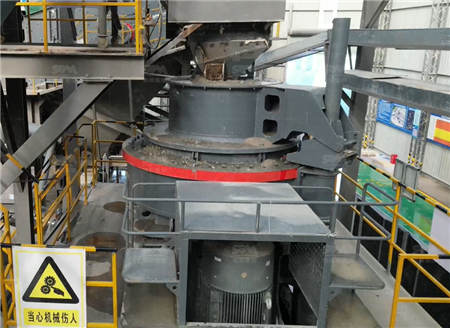
A Texas-based sand plant upgraded to a BF-500 feeder paired with a 200t/h VSI crusher, achieving 98% gradation compliance for ASTM C33 concrete sand. The system reduced bentonite waste by 12% through automated dosing controls.
For high-efficiency mineral processing lines, precise feeding solutions are indispensable to ensure quality aggregates and operational stability.