Accurate volume calculation in ball mills is critical for designing efficient crushing-sand making lines. The standard formula for ball mill capacity is:
V = π × r² × L × φ
Where:
– V = Effective grinding volume (m³)
– r = Inner radius (m)
– L = Effective cylinder length (m)
– φ = Filling ratio (typically 30%-45%)
| Model | Cylinder Diameter(mm) | Cylinder Length(mm) | Capacity(t/h) |
|---|---|---|---|
| MQG1500×3000 | 1500 | 3000 | 2-5 |
| MQG2100×3000 | 2100 | 3000 | 8-15 |
| MQG2700×3600 | 2700 | 3600 | 20-28 |
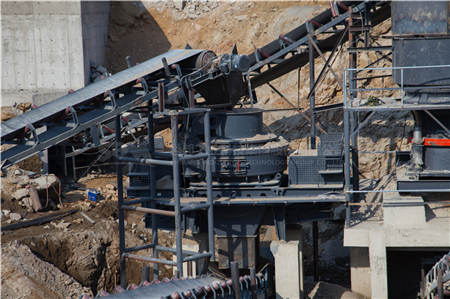
A typical 200tph granite processing line includes:
1. Primary jaw crusher (PE750×1060)
2. Secondary cone crusher (HPT300)
3. Tertiary impact crusher (VSI1145)
4. Ball mill system (MQG2100×4500)
5. Multi-layer vibrating screens
Q: How to improve ball mill efficiency?
A: Maintain proper grinding media gradation (25-100mm balls), control feed size below 25mm, and optimize rotation speed at 75%-80% of critical speed.
Q: What’s the ideal moisture content?
A: Keep material moisture below 5% for dry grinding systems.
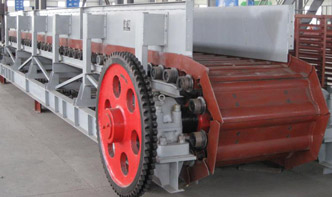
Location: Vietnam
Capacity: 500t/day
Configuration:
– Primary crushing: JC110 jaw crusher
– Fine crushing: HPY400 cone crusher
– Grinding: Two MQG2400×8000 ball mills
Final product: 325 mesh limestone powder with 92% passing rate