Cement Plant Crushers Capacity and Process
Crushers play a critical role in cement plants by reducing large raw materials like limestone, clay, and shale into smaller, manageable sizes for further processing. The efficiency of crushing directly impacts production capacity, energy consumption, and product quality. This article explores crusher capacities, processes, key equipment parameters, and real-world applications in cement production lines.
Different crushers are selected based on material hardness, abrasiveness, and required output size:
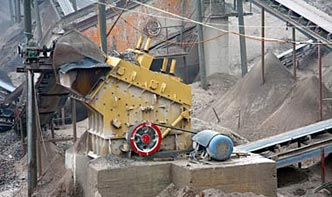
1. Jaw Crushers – Ideal for primary crushing with high reduction ratios (6:1). Suitable for hard and abrasive materials.
2. Impact Crushers – Used for softer materials (e.g., limestone) with higher throughput and cubical output.
3. Gyratory Crushers – High-capacity primary crushers for large-scale cement plants (>5,000 TPD).
4. Hammer Crushers – Efficient for medium-hard materials with lower maintenance requirements.
Crushing capacity depends on:
– Feed size: Larger input requires more power and reduces throughput.
– Moisture content: Wet materials may cause clogging (e.g., clay).
– Crusher settings: Closed-side settings (CSS) impact output gradation.
Below is a comparison table of common crusher models:
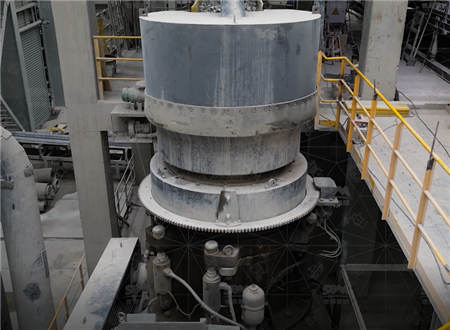
| Model | Max Feed Size (mm) | Capacity (TPH) | Power (kW) | Output Size (mm) |
|—————–|——————–|—————-|————|——————|
| JC110 Jaw Crusher | 850 | 150–300 | 110 | 70–200 |
| PF1315 Impact | 500 | 120–250 | 200 | 20–60 |
| HGT4265 Gyratory| 1060 | 1,500–4,000 | 400 | 100–300 |
A typical crushing circuit includes:
1. Primary Crushing: Large raw materials are reduced to ~200 mm using jaw or gyratory crushers.
2. Secondary Crushing: Further reduction to ≤50 mm via