Gypsum, a versatile mineral derived from chemical processing (primarily flue gas desulfurization or phosphoric acid production), plays a critical role in modern construction materials. As a crushing and sand-making equipment professional, understanding its properties and integration into aggregate production lines is essential for optimizing output quality.
Chemically processed gypsum (CaSO₄·2H₂O) differs from natural gypsum in particle morphology and purity. Typical parameters:
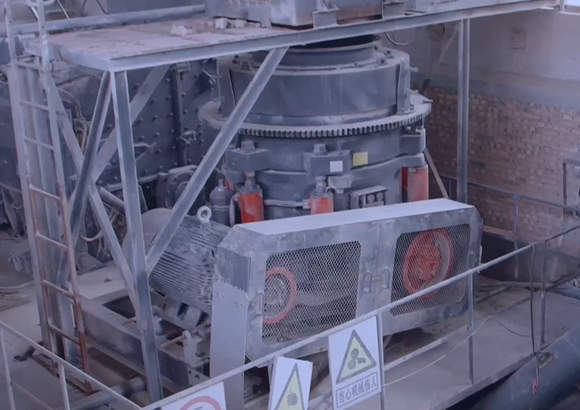
| Parameter | FGD Gypsum | Phosphogypsum |
|——————-|——————|——————|
| Purity (CaSO₄·2H₂O)| ≥93% | 70-85% |
| Free Moisture | 8-12% | 15-25% |
| pH Value | 5.5-7.0 | 1.5-3.5 |
| Particle Size | 40-80μm | Irregular |
Note: Phosphogypsum requires additional neutralization due to residual acidity.
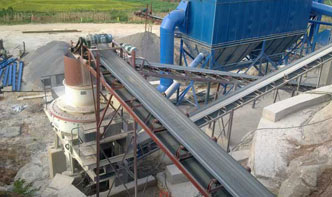
A specialized gypsum aggregate line typically includes:
1. Primary crushing: Jaw crusher (feed size ≤800mm, discharge 50-150mm)
2. Drying system: Rotary dryer (gas temp ≤180°C to avoid hemihydrate conversion)
3. Secondary grinding: Vertical shaft impact crusher for cubical shaping
4. Classification: Air separator for precise gradation control
Critical consideration: Maintain crushing chamber humidity below 30% to prevent material clogging.
Client Requirement: Produce 300tph plaster sand for dry-mix mortar
Solution:
– Raw material: FGD gypsum with 10% moisture content
– Equipment:
– PE600×900 jaw crusher
– ZSJ dual-rotor sand maker (75kW motor)
– Three-tier vibrating screen
Result:
– Finished product: 0-4.75mm plaster sand
– Bulk density: 1.35g/cm³
– value <1.4 (low clay content)
Q1: How does gypsum hardness affect crusher selection?
A1: With Mohs hardness of 2