Crusher sand (manufactured sand) has become a viable alternative to natural sand in concrete mix design, offering consistent gradation and reduced environmental impact. Modern crushing plants optimize particle shape and fines content to meet ASTM C33 or EN 13139 standards.
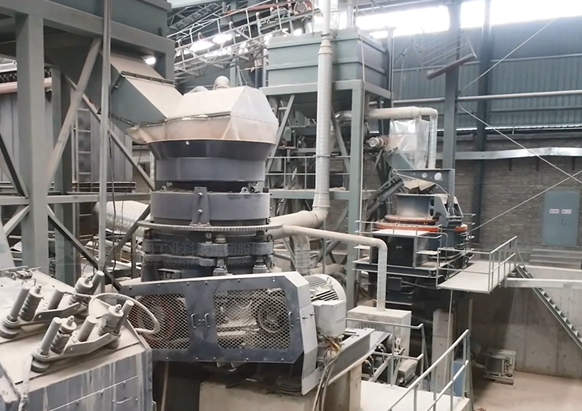
The core of a high-quality crusher sand production line typically includes:
1. Primary Jaw Crusher (e.g., 90-160kW motor, 500-800TPH capacity)
2. Secondary Cone Crusher with vertical shaft impactor (VSI) for shaping
3. Air Classifier for precise fines control (±0.075mm adjustment)
4. Moisture Regulation System (target: 2-4% water content)
| Equipment | Key Parameters |
|---|---|
| VSI Crusher | Rotor speed: 50-70m/s, Product cubicity >90% |
| Screening System | 3-4 deck screens, ≤3mm final product |
| Dust Control | Baghouse filter ≥99.7% efficiency |
Optimal crusher sand concrete mixes require:
– Adjusted water-cement ratio (+5-10% vs natural sand)
– Microfines content control (<15% passing 75μm)
– Polycarboxylate superplasticizers for workability
Q: Does crusher sand affect concrete strength?
A: Properly processed crusher sand can achieve equal or higher compressive strength (typically 5-10% increase at 28 days).
Q: How to reduce excessive microfines?
A: Install wet classification systems or air classifiers with adjustable cut points.
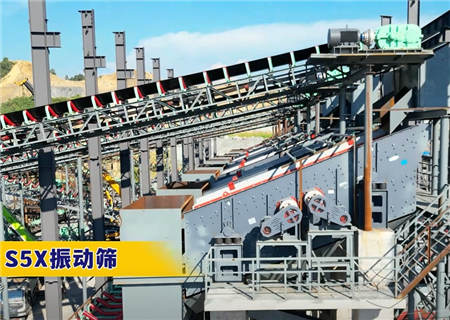
A recent project utilized:
– Raw material: Granite
– Production capacity: 250TPH
– Final product specs:
– Fineness modulus: 2.6-2.8
– -value <1.0
Resulting concrete achieved 45MPa strength at lower cement content compared to natural sand mixes.
This production