The upper step plate is a critical wear part in cone crushers, protecting the mainframe from direct impact during rock crushing. Typically made from high-manganese steel (Mn14Cr2/Mn18Cr2), it serves as the first line of defense in secondary/tertiary crushing stages.
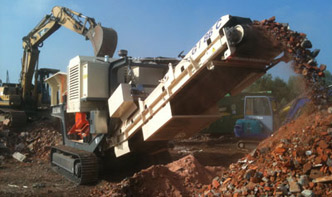
A complete production line includes:
1. Primary jaw crusher (500-1200mm feed size)
2. Secondary cone crusher with upper/lower step plates
3. Tertiary impact crusher for shaping
4. Vibrating screens (3-4 deck)
5. Sand washer (wheel or spiral type)
| Parameter | Value Range |
|---|---|
| Material | Mn14Cr2/Mn18Cr2/ZGMn13 |
| Hardness | HB180-220 |
| Thickness | 50-120mm |
| Service Life | 3-12 months |
| Compatible Models | HP300/400, GP100/200, 4.25’/5.5′ |
Q: How often should upper step plates be replaced?
A: Typically every 800-1,200 operating hours depending on abrasiveness of material.
Q: Can worn plates cause product gradation issues?
A: Yes, excessive wear leads to improper crushing chamber geometry affecting particle size distribution.
Q: What’s the cost ratio of plates vs. complete liner set?
A: Step plates usually account for 15-25% of total wear part costs in cone crushers.
Location: Malaysia
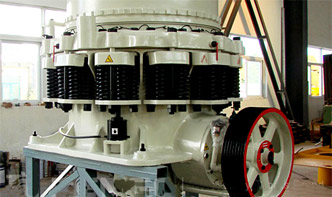
Configuration: GP300 cone crusher with Mn18Cr2 step plates
Result: Achieved 22% longer service life compared to standard Mn14Cr2 plates, reducing downtime by 15%. Production capacity maintained at 180tph of 20mm aggregate consistently over 8-month operation period.