Granite, a hard and abrasive rock, requires specialized crushing equipment for efficient processing into high-quality aggregates. A typical granite crushing and sand-making production line includes the following core components:
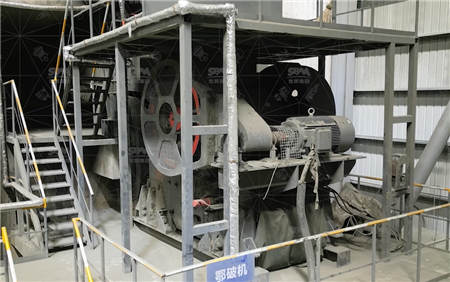
1. Primary Jaw Crusher: Handles initial size reduction (feed size up to 1200mm)
– Model example: JC120
– Capacity: 200-800 t/h
– Power: 160-250 kW
2. Secondary Cone Crusher: For intermediate crushing
– Model example: HPC300
– Max feed size: 350mm
– Discharge size: 19-38mm
3. Vertical Shaft Impact Crusher (Sand Maker): Produces cubic-shaped aggregates
– Model example: VSI1140
– Capacity: 200-400 t/h
– Rotor speed: 1800-2200 rpm
4. Vibrating Screens: Multi-layer screening for precise grading
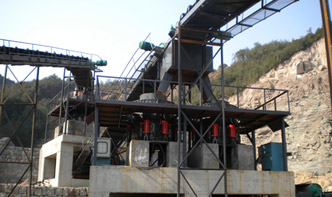
| Equipment | Feed Size(mm) | Output Size(mm) | Capacity(t/h) |
|---|---|---|---|
| Jaw Crusher | ≤1200 | 150-350 | 200-800 |
| Cone Crusher | ≤350 | 19-38 | 150-500 |
| VSI Crusher | ≤50 | 0-5,5-10,10-20 | 200-400 |
Q1: What’s the service life of wear parts in granite crushing?
A1: Jaw plates typically last 3-6 months, cone mantles 4-8 months depending on abrasiveness.
Q2: How to control dust in granite processing?
A2: Use water spray systems at transfer points and install bag filters.
Q3: What’s the recommended maintenance interval?
A3: Daily checks for lubrication, monthly inspections of wear parts.
Southeast Asia Granite