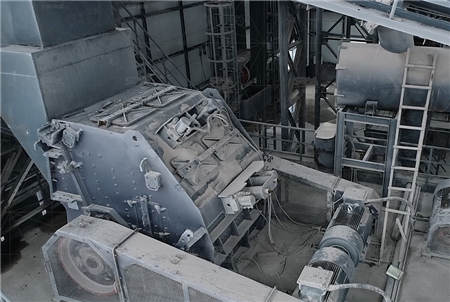
Sand mining involves extracting raw materials from quarries or riverbeds and processing them into high-quality construction aggregates. The process typically includes crushing, screening, washing, and grading to produce sand and gravel with specific particle sizes for concrete, asphalt, and other applications.
A modern sand production line integrates multiple machines to ensure efficiency and product quality:
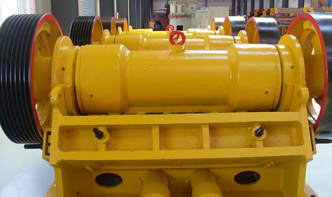
1. Primary Jaw Crusher: Breaks large rocks into smaller chunks (e.g., feed size: ≤1200mm, output: 50–300mm).
2. Secondary Cone Crusher: Further reduces material size (e.g., output: 20–60mm).
3. Vertical Shaft Impact Crusher (VSI): Shapes particles into cubical sand (e.g., capacity: 50–500t/h).
4. Vibrating Screen: Classifies materials by size (e.g., 3–4 decks with 3–100mm mesh).
5. Sand Washer: Removes impurities (e.g., clay content <3%).
| Equipment | Key Parameters |
|---|---|
| Jaw Crusher | Feed: ≤1200mm; Output: 50–300mm |
| Cone Crusher | Output: 20–60mm; Power: 75–315kW |
| VSI Crusher | Capacity: 50–500t/h; Max feed: ≤50mm |
| Screening Machine | Decks: 3–4; Mesh size: 3–100mm |
Q1: What is the ideal moisture content for finished sand?
A: Below 5% to ensure compatibility with concrete mixes.
Q2: How to reduce dust pollution during crushing?
A: Install dust suppression systems or enclosed conveyors.
Q3: Can recycled concrete be used as feed material?
A: Yes, but pre-sorting is required to remove steel reinforcements.