Quarry dust, a byproduct of crushing and screening operations in quarries, is increasingly used as a partial or full replacement for natural sand in concrete. Its angular particles and rough texture enhance bonding with cement paste, improving compressive strength and durability. However, proper grading and moisture control are critical to avoid workability issues.
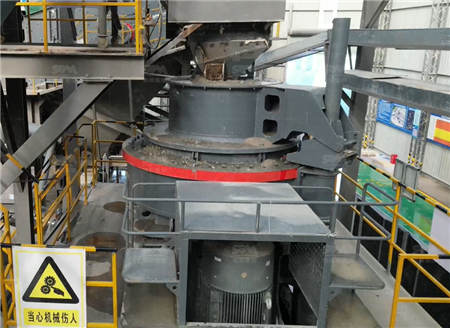
To produce high-quality quarry dust, a well-designed crushing and sand-making line is essential. Key equipment includes:
– Jaw Crusher: Primary crushing (Feed size: ≤1200mm, Output: 50-300mm)
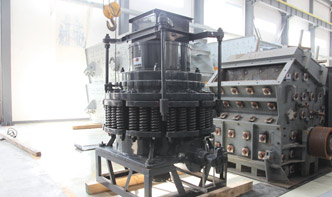
– Cone Crusher: Secondary crushing (Output: 20-50mm)
– Vertical Shaft Impact (VSI) Crusher: Sand shaping (Output: 0-5mm with <10% needle content)
| Equipment | Model Example | Capacity (t/h) |
|---|---|---|
| Jaw Crusher | PE750×1060 | 110-250 |
| Cone Crusher | HPT300 | 120-340 |
| VSI Crusher | B9100SE | 200-350 |
A granite quarry in Malaysia replaced 30% natural sand with quarry dust in C30 concrete. The mix achieved:
– Compressive strength: +8% at 28 days
– Chloride resistance: Improved by 15%
Equipment used: PE900×1200 jaw crusher + HST315 cone crusher + VSI6X1263 sand maker.
Q1: What’s the maximum replacement ratio of quarry dust?
A: Typically 25-40%; higher ratios require superplasticizers.
Q2: How to control quarry dust’s fineness modulus?
A: Adjust VSI crusher rotor speed (45-75m/s optimal) and screen mesh size.
<