Flotation is a critical process in the extraction of copper and gold from oxide ores, particularly when dealing with low-grade deposits. This method leverages differences in surface properties between valuable minerals and gangue to achieve separation. For operators in crushing, sand-making, and aggregate production lines, understanding flotation technology is essential for optimizing recovery rates and reducing operational costs.
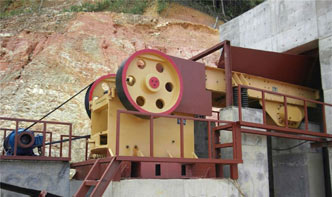
A typical flotation line for copper and gold oxide ore includes jaw crushers, ball mills, flotation cells, and dewatering equipment. The jaw crusher reduces large ore chunks to smaller particles (typically below 150mm), while the ball mill grinds them further to liberate minerals (80% passing 200 mesh). Flotation cells then separate copper/gold-bearing particles from waste rock.
| Equipment | Model Example | Key Parameters |
|---|---|---|
| Jaw Crusher | PE-600×900 | Feed opening: 600×900mm, Capacity: 50-160t/h |
| Ball Mill | MQY2740 | Diameter: 2.7m, Length: 4m, Motor power: 400kW |
| Flotation Cell | XCF/KYF-8 | Volume: 8m³, Air intake: 1.5m³/min, Power: 30kW |
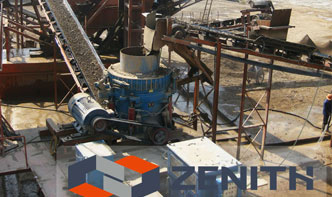
Oxide ores present unique challenges due to their complex mineralogy. Copper oxides like malachite and azurite require specific collectors such as hydroxamates instead of traditional xanthates. Gold recovery often needs activated carbon or special reagents like mercaptans. pH control (8.5-10.5) is critical for both metals, achieved through lime addition.