Classification equipment is critical in sand and gravel plants to ensure precise particle size distribution and product quality. Modern plants utilize advanced screening, hydrocyclones, and air classifiers to separate materials efficiently. Key equipment includes vibrating screens, spiral classifiers, and dewatering screens, each designed for specific applications. For instance, high-frequency vibrating screens with polyurethane panels can handle capacities up to 500 t/h, while hydrocyclones achieve separations down to 25 microns.
Below is a comparison of common classification equipment:
| Equipment Type | Capacity (t/h) | Separation Range | Power (kW) |
|————————–|——————-|———————-|—————|
| Vibrating Screen (3YK3070)| 300–500 | 3–100 mm | 15–30 |
| Spiral Classifier (FG-12) | 50–200 | 0.1–3 mm | 7.5–18 |
| Hydrocyclone (FX-350) | 100–300 | 0.025–0.3 mm | 11–22 |
Vibrating screens excel in dry classification, while spiral classifiers and hydrocyclones are ideal for wet processes. The choice depends on moisture content, feed size, and desired product specs.
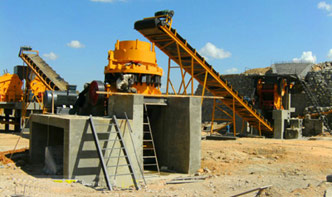
In a typical sand and gravel plant, classification follows crushing and precedes washing or stockpiling. For example, a limestone processing line might use a jaw crusher for primary crushing, a cone crusher for secondary reduction, and a multi-deck vibrating screen to produce 0–5mm, 5–20mm, and 20–40mm aggregates. Dewatering screens are often added to reduce moisture content below 10% for concrete-grade sand.
Q: How to reduce screen clogging in wet conditions?
A: Use polyurethane or rubber screen panels with high-frequency vibration settings (1,500–3,600 RPM).
Q: What’s the lifespan of classifier wear parts?
A: Spiral classifier blades last 6–12 months; vibrating screen panels typically require replacement every 3–6 months under heavy use.