Marble processing involves cutting, grinding, and polishing, which generate fine dust particles (silica) and noise. Prolonged exposure can cause respiratory diseases (e.g., silicosis), hearing loss, and skin irritation. Proper ventilation, PPE (masks, earplugs), and wet processing methods are critical to mitigate risks.
A typical marble-to-aggregate line includes:
1. Jaw Crusher: Primary crushing (Feed size: ≤1,200mm; Output: 150–300mm).
2. Cone Crusher: Secondary crushing (Output: 20–50mm).
3. Sand Maker (VSI): Produces 0–5mm high-quality sand (Capacity: 60–520t/h).
4. Vibrating Screen: Multi-layer sieving for grading.
| Equipment | Model | Power (kW) | Capacity (t/h) |
|---|---|---|---|
| Jaw Crusher | PE-600×900 | 75 | 50–160 |
| Cone Crusher | HPT-200 | 160 | 90–210 |
| VSI Sand Maker | S8-1145 | 250 | 120–280 |
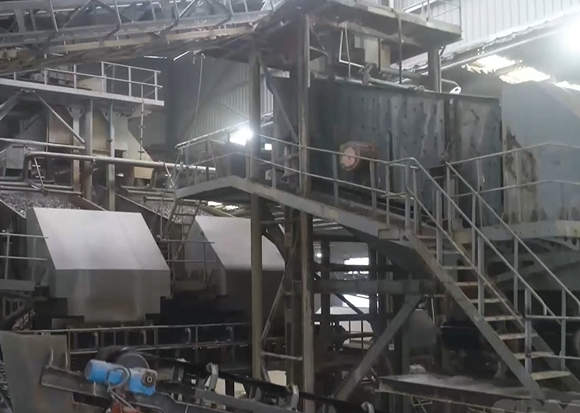
Q1: How to reduce dust in marble processing?
A: Use water spray systems + enclosed conveyors + bag filters.
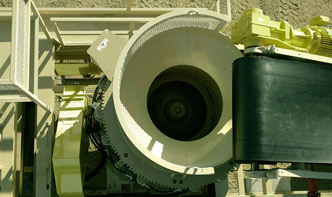
Q2: What’s the lifespan of crusher wear parts?
A: Jaw plates last ~6 months; cone mantles ~12 months (varies by material hardness).
Aggregate Plant in Turkey (2023): Processed marble waste into 0–5mm sand for concrete. Equipment used: PE-750×1060 jaw crusher