Japan’s mining pump manufacturers like Torishima, Ebara, and Tsurumi lead in producing robust slurry pumps for sand/aggregate processing. These pumps handle abrasive mixtures with 60-70% solids concentration, featuring hardened chrome alloys (HRC 55-60) and flow rates up to 5,000 m³/h.
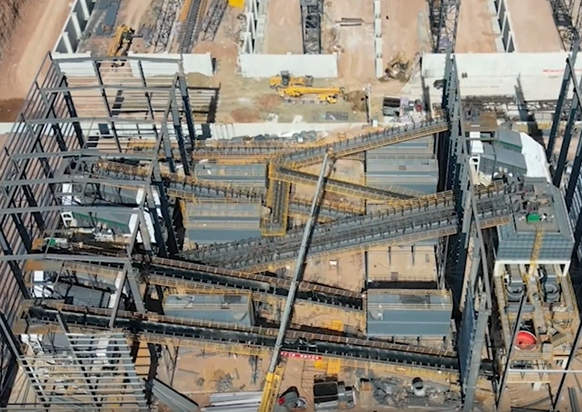
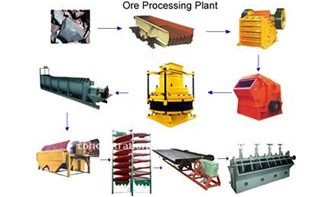
A typical 200TPH granite processing line includes:
1. Primary Jaw Crusher (PE600×900)
2. Secondary Cone Crusher (HPT300)
3. Tertiary Impact Crusher (VSI1140)
4. Vibrating Screens (3YK2460×2)
5. Japanese Slurry Pump System (Model TP100)
| Equipment | Key Parameters |
|---|---|
| Tsurumi HS Series Pump | Flow: 800m³/h, Head: 45m, Power: 110kW |
| Ebara GSL Pump | Max Particle: 65mm, Speed: 980rpm |
| Torishima TVPR | Efficiency: 78%, Weight: 3.2t |
A Kyushu basalt quarry achieved 30% energy reduction after installing Torishima’s TVPR pumps with variable frequency drives in their wet classification system, processing 450tph material with <3mm final sand product.
Q1: How often should pump liners be replaced?
A: Typically every 1,500-2,000 hours when processing granite with SiO₂ content >65%.
Q2: Best practices for pump positioning?
A: Install below sump level with ≤5m suction head; maintain straight pipe runs of ≥5x pipe diameter before inlet.
Q3: Alternative to high-chrome alloys?
A: Some plants use rubber-lined pumps for <20mm aggregate with lower abrasiveness.
For severe duty applications, Japanese manufacturers recommend their special hard metal composites that achieve up to