The Middle East’s booming construction and infrastructure sectors demand high-performance crushing plants capable of processing hard rocks like granite, basalt, and limestone. As a professional in aggregate production, understanding the core components and operational efficiencies of these systems is critical for project success.
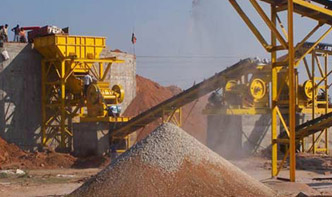
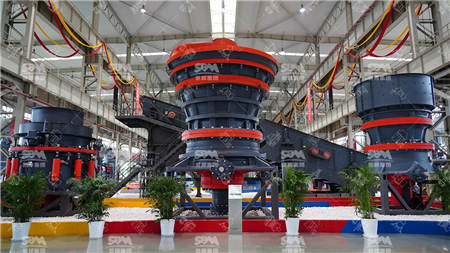
Modern crushing plants integrate primary, secondary, and tertiary crushing stages with screening units. Key equipment includes:
| Equipment Type | Model Example | Capacity (TPH) | Power (kW) |
|---|---|---|---|
| Jaw Crusher | CJ615 | 300-580 | 132-160 |
| Cone Crusher | CH660 | 200-350 | 315 |
| Vertical Shaft Impactor | CV218 | 150-300 | 250-315 |
| Screening Unit | S5X2765-3 | *TPH = Tons Per Hour; Specifications vary based on material hardness & feed size. |
The region’s extreme climate (ambient temperatures exceeding 50°C) requires specialized adaptations:
• Heavy-duty cooling systems for hydraulic components
• Dust suppression units consuming 30-50m³/hour water
• Wear-resistant manganese steel alloys (18-22% Mn content) for crusher liners
• Solar-resistant electrical cabling with IP65 protection
A typical 500TPH granite processing line follows this sequence:
1. Primary crushing: Grizzly feeder + jaw crusher reduces 800mm feed to <250mm
2. Secondary crushing: Cone crusher achieves 40-70mm output
3. Tertiary stage: VSI produces 0-5mm manufactured sand with <3% flakiness index
4. Screening: Multi-deck screens separate 0-5mm, 5-10mm, 10-20mm, and 20-40mm aggregates