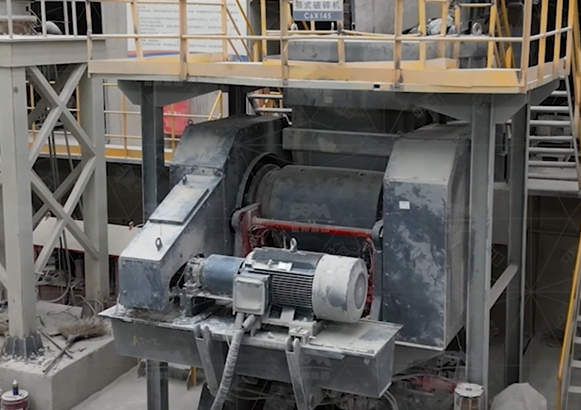
Roll ash crushers are widely used in South Africa’s mining and construction industries for processing coal, limestone, and other brittle materials. These robust machines excel in primary and secondary crushing applications, offering high throughput with relatively low energy consumption compared to jaw or cone crushers.
Modern roll crushers feature durable manganese steel rollers with adjustable gap settings (typically 1-50mm) to control output size. The dual-roller design creates compressive forces that fracture material along natural cleavage lines, producing cubical particles ideal for concrete aggregate. Key parameters include:
| Model | Roll Diameter (mm) | Roll Width (mm) | Capacity (tph) | Power (kW) |
|---|---|---|---|---|
| RC-750 | 750 | 500 | 30-50 | 22 |
| RC-1000 | 1000 | 800 | 80-120 | 45 |
| RC-1500 | 1500 | 1200 | 150-250 | 90 |
| * Capacities vary based on material hardness and feed size distribution | ||||
When integrating roll crushers into aggregate plants, engineers must consider:
1. Feed size limitations (typically ≤1/3 of roller diameter)
2. Moisture content tolerance (<15% for smooth rollers)
3. Required reduction ratio (usually 4:1 to 6:1)
4. Downstream screening requirements
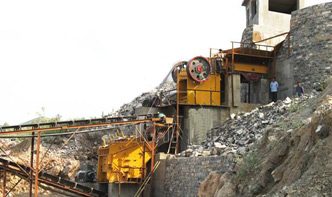
For coal processing plants near Mpumalanga, we recommend installing pre-screening before roll crushers to remove fines and improve efficiency by 20-30%.
Uneven roller wear often indicates improper feed distribution – install adjustable feed chutes or vibrating feeders. Excessive vibration may signal bearing wear or misalignment requiring immediate maintenance. For sticky materials like wet coal, consider adding scrapers or air blast systems.