Gold trommel screening machines are essential in mining and aggregate processing lines, particularly for separating gold-bearing gravel or crushed ore. These rotating cylindrical sieves use a combination of gravity and mechanical action to classify materials efficiently.
The trommel consists of:
1. Rotating drum (3-15° incline)
2. Perforated screen panels (mesh size 5-100mm)
3. Drive system (electric motor + gear reducer)
4. Support frame with adjustable legs
Material enters the elevated end, while spray bars wash sticky deposits. As the drum rotates (8-20 RPM), smaller particles fall through screen openings, while oversized material exits the lower end.
| Model | Drum Diameter (m) | Length (m) | Capacity (t/h) | Power (kW) |
|---|---|---|---|---|
| GT-800 | 0.8 | 3 | 15-25 | 5.5 |
| GT-1200 | 1.2 | 4 | 40-60 | 11 |
| GT-1500 | /tr> |
• Material moisture content (<5% optimal)
• Feed rate consistency
• Screen opening shape/size
• Drum rotational speed
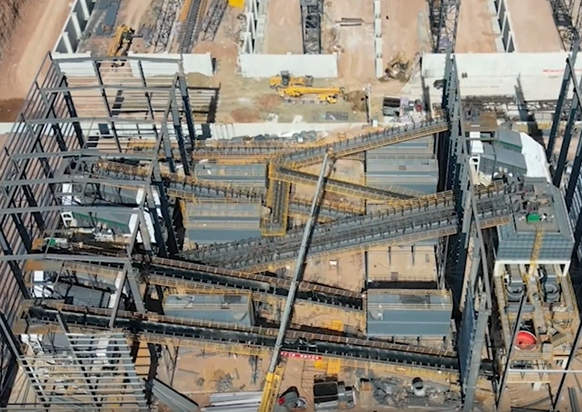
In a typical sand processing line:
1. Raw material → Vibrating feeder
2. Primary crushing → Jaw crusher
3. Secondary crushing → Cone crusher
4. Screening → Trommel screen
5. Final classification → Vibrating screen
Q: Why does material build up at the drum entrance?
A: Usually caused by excessive feed rate or low drum inclination angle.
Q: How to reduce screen blinding?
A: Install rubber balls behind screens or increase water spray pressure.
Q: What’s