In sinter plants, vibrating screens are critical for separating sintered ore particles by size before blast furnace charging. They ensure optimal particle distribution (typically 5-50mm) to improve permeability and reduce fuel consumption. High-frequency vibrations (800-1500 RPM) with adjustable amplitudes (3-10mm) efficiently handle abrasive materials while minimizing blinding.
A complete production line includes:
1. Primary Jaw Crusher (Feed size: ≤1200mm, Capacity: 50-2000t/h)
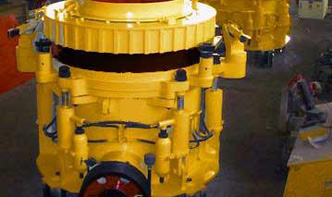
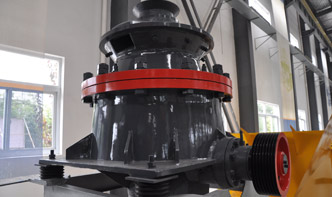
2. Secondary Cone Crusher (Closed-side setting: 10-50mm)
3. Tertiary Impact Crusher (Output shape control: ≤5% needle content)
4. Vibrating Screen (Decks: 2-4 layers, Mesh: 3-100mm)
| Equipment | Model Example | Capacity (t/h) | Power (kW) |
|———–|—————|—————-|————|
| Vibrating Screen | ZKX3060 | 60-300 | 30×2 |
| Jaw Crusher | PE1200×1500 | 400-800 | 160-220 |
Q1: How to reduce screen mesh clogging?
*A:* Use polyurethane decks or ultrasonic cleaning systems for sticky materials.
Q2: Optimal screen inclination angle?
*A:* 15°-25° balances throughput and screening efficiency.
A Malaysian granite processing plant adopted a 500tph line with ZSW490×110 feeder + PE1200×1500 jaw crusher + 3YK3070 screen. Achieved <5% oversize in final product, meeting ASTM C33 aggregate standards.