The throughput capacity (TPH) of jaw crushers varies significantly based on model size, feed material characteristics, and discharge settings. Typical ranges for modern units span from 50 TPH for compact mobile crushers to over 1,500 TPH for stationary primary crushing stations.
| Model | Feed Opening (mm) | Max Capacity (TPH) | Power (kW) |
|---|---|---|---|
| C6X160 | 1600×1200 | 800-1200 | 250 |
| JC110 | 1100×850 | 300-650 | 132 |
| PE600×900 | 600×900 | 90-180 | 75 |
Primary jaw crushers process raw quarry stone with compressive strength up to 320 MPa. The actual throughput depends on:
– Feed size distribution
– Material hardness (Mohs scale)
– Closed Side Setting (CSS) adjustment
– Moisture content
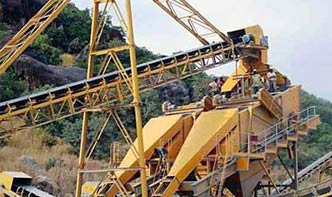
Properly sized jaw crusher discharge requires vibrating screens (typically 3-deck) with mesh sizes matching final product specifications. Common secondary equipment includes cone crushers for cubical shaping and vertical shaft impactors for manufactured sand production.
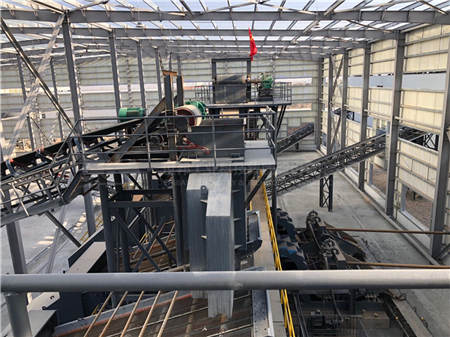
Q: How to calculate real-world TPH?
A: Multiply theoretical capacity by 0.6-0.8 efficiency factor based on operational conditions.
Q: What affects jaw plate wear rate?
A: Abrasion index (AI) of material, CSS setting, and plate manganese content (18%/22% options).
Configuration:
– Primary: JC210 jaw crusher @680 TPH
– Secondary: HPT500 cone crusher
– Screening: 3YK3075 vibrating screen
Output: 0-5mm sand (35%), 5-20mm aggregate (45%), 20-