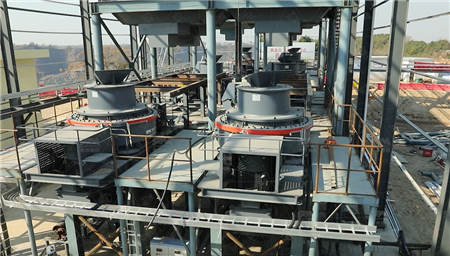
Stone crusher machines break large rocks into smaller gravel or sand particles through mechanical force. Key components include:
– Jaw Crusher: Primary crushing with a fixed/movable jaw plate (Feed size: 150–1,300mm, Capacity: 1–1,000t/h).
– Cone Crusher: Secondary crushing via rotating mantle and concave (Max feed: ≤300mm, Output size: 3–60mm).
– Impact Crusher: Uses high-speed rotors/hammers for shaping (Adjustable output: 0–40mm).
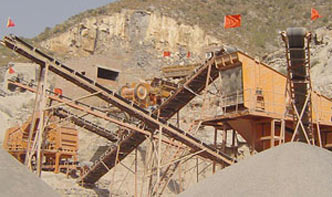
A typical setup integrates crushers, screens, and conveyors:
1. Primary Crushing: Jaw crusher reduces raw stone to ≤200mm.
2. Secondary Crushing: Cone/impact crusher further refines material.
3. Screening: Vibrating screens classify particles (e.g., 0–5mm sand, 5–20mm aggregate).
| Equipment | Model | Capacity (t/h) | Power (kW) |
|---|---|---|---|
| Jaw Crusher | PE600×900 | 50–160 | 75 |
| Cone Crusher | HPT300 | 120–400 | 315 |
| Screening Machine | 3YK3070 | 70–500 | 30 |
– Limestone Processing Plant in Texas:
Used a two-stage crushing system (jaw + cone) to produce 0-5mm sand and 10-20mm aggregate for local road construction.
– Granite Quarry in India:
Deployed an impact crusher for shaping, achieving high-quality cubical aggregates for concrete batching plants.
– How to reduce dust?
Install water sprays or dust covers at transfer points.
– What’s the lifespan