A crushing and screening plant processes raw materials like granite, limestone, or recycled concrete into aggregates for construction. Key steps include:
1. Site Selection: Ensure proximity to raw materials and transport routes.
2. Equipment Configuration: Choose crushers, screens, and conveyors based on material hardness and output size.
3. Permits & Regulations: Obtain environmental and operational approvals.
| Equipment | Function | Key Parameters |
|---|---|---|
| Jaw Crusher | Primary crushing | Feed size: ≤1,200mm, Capacity: 50-800t/h |
| Cone Crusher | Secondary crushing | Max feed: ≤300mm, Output: 5-40mm |
| Vibrating Screen | Material classification | Layers: 1-4, Power: 7.5-30kW |
| Sand Maker (VSI) | Tertiary shaping | Capacity: 60-650t/h, Rotor speed: 1,500-2,500rpm |
Q1: What’s the typical lifespan of crusher wear parts?
A: Jaw plates last ~200k tons; cone mantles ~150k tons (varies by abrasiveness).
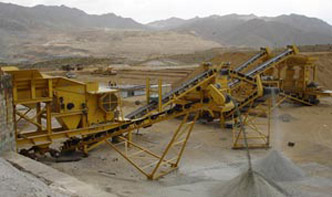
Q2: How to reduce dust pollution?
A: Use water sprays + enclosures at transfer points.
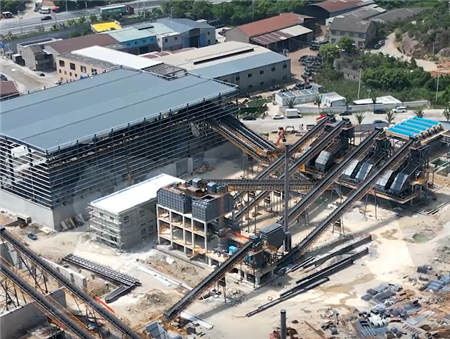
– Capacity: 500t/h
– Flow: Jaw crusher → Cone crusher → 3-layer screen → VSI sand maker → Finished aggregates (0-5mm, 5-20mm).
– Result: Achieved 95% passing rate for ASTM C33 specs.