Dolomite beneficiation involves crushing, grinding, and classification to produce high-quality sand and aggregates for construction and industrial applications. The process flow typically includes primary crushing, secondary crushing, screening, and grinding stages.
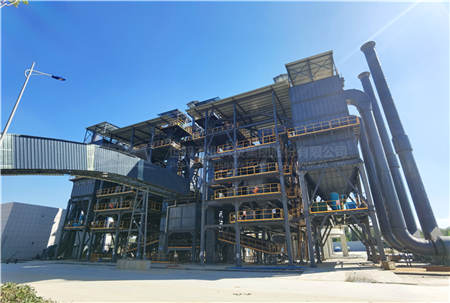
1. Primary Jaw Crusher:
– Model: PE600×900
– Feed Size: ≤500mm
– Capacity: 50-160 t/h
2. Secondary Cone Crusher:
– Model: HPT300
– Feed Size: ≤240mm
– Capacity: 90-260 t/h
3. Vibrating Screen:
– Model: 3YK2160
– Screen Layers: 3
– Capacity: 80-400 t/h
4. Sand Maker (VSI Crusher):
– Model: VSI1140
– Feed Size: ≤50mm
– Capacity: 60-520 t/h
A typical dolomite sand production line includes:
– Primary crushing → Secondary crushing → Screening → Sand making → Final product classification.
The final products range from coarse aggregates (5-20mm) to fine sand (0-5mm), suitable for concrete mixing and asphalt production.
Q1: What is the hardness of dolomite?
A1: Dolomite has a Mohs hardness of 3.5-4, making it moderately easy to crush.
Q2: How to control dust in dolomite processing?
A2: Use water spray systems or dust collectors like bag filters.
Q3: What are the common uses of dolomite sand?
A3: It’s widely used in construction, glass manufacturing, and soil conditioning.
Project: A dolomite processing plant in Vietnam required a 200t/h sand production line.
Solution: Configured with PE750×1060 jaw crusher, HST315 cone crusher, and VSI1140 sand maker. The output achieved 0-5mm fine sand with a gradation modulus of 2.8, meeting ASTM C33 standards.
This setup reduced energy consumption by 15% compared to traditional methods while