Stone crushing and sand-making production lines require robust equipment to ensure efficiency and safety. Metal detectors play a critical role in protecting crushers, screens, and conveyors from damage caused by tramp metal.
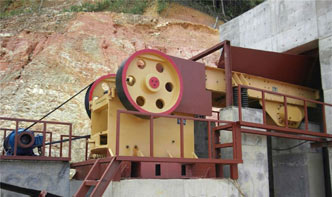
A typical production line includes:
1. Primary Jaw Crusher (e.g., Feed size: ≤1200mm, Capacity: 50-800TPH)
2. Secondary Cone Crusher (e.g., Closed-side setting: 6-38mm)
3. Tertiary Impact Crusher (for shaping aggregates)
4. Vibrating Screen (e.g., Deck layers: 1-4, Mesh size: 3-100mm)
5. Metal Detector System (Sensitivity: ≥Ф5mm ferrous metal)
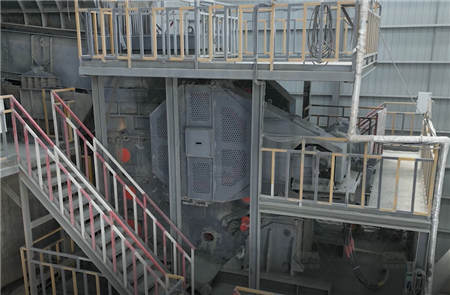
| Model | Detection Range | Sensitivity | Conveyor Speed |
|---|---|---|---|
| MD-500 | 500mm belt width | Ф3mm Fe/Ф5mm Non-Fe | ≤4m/s |
| MD-800 | 800mm belt width | Ф5mm Fe/Ф8mm Non-Fe | ≤3.5m/s |
Q: How often should metal detectors be calibrated?
A: Monthly calibration is recommended for harsh environments like quarries.
Q: Can detectors identify non-metallic contaminants?
A: No, they only detect metallic objects. X-ray systems are needed for other materials.
A granite processing plant in Malaysia reduced crusher downtime by 70% after installing MD-800 detectors on raw material feed belts. The system detected excavator tooth fragments (>Ф15mm) that previously caused catastrophic bearing failures.
Proper integration of metal detection with crushing equipment significantly extends machinery lifespan while maintaining production continuity.