Basalt, a dense volcanic rock, requires specialized mining and crushing techniques due to its high hardness (6-8 Mohs). Modern processing typically involves drilling, blasting, and multi-stage crushing to produce high-quality aggregates for construction.
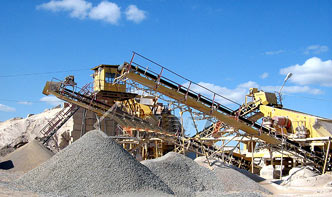
A complete production line includes:
1. Primary Jaw Crusher (PE600×900)
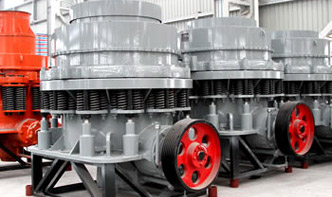
2. Secondary Cone Crusher (HPT300)
3. Tertiary Impact Crusher (VSI1140)
4. Vibrating Screens (3YK2460)
5. Sand Washer (LX915)
| Equipment | Key Parameters |
|---|---|
| Jaw Crusher | Feed size: ≤500mm, Capacity: 50-180t/h |
| Cone Crusher | Max input: 240mm, Output size: 5-40mm |
| VSI Crusher | Throughput: 120-180t/h, Sand yield: 50%+ |
| Screening | Layer: 3, Screening area: 14.4m² |
Project: Vietnam Basalt Aggregate Plant
Capacity: 200TPH
Final products:
– 0-5mm manufactured sand (38%)
– 5-10mm aggregate (25%)
– 10-20mm aggregate (22%)
– 20-31.5mm aggregate (15%)
Q1: What’s the wear life of crusher parts processing basalt?
A1: Jaw plates last ~800 hours, cone mantles ~400 hours with proper manganese steel selection.
Q2: How to reduce needle content in basalt sand?
A2: Use VSI crushers with rock-on-rock crushing mode and add air screening.
Q3: Typical power consumption per ton?
A3: Approximately 15-18kWh/t for complete processing from raw material to final products.
The production line configuration may vary based on specific requirements regarding final product gradation and capacity needs. Proper equipment selection ensures optimal particle shape and production efficiency when processing this challenging material.