Iron ore processing requires specialized crushing and sand-making equipment to transform raw ore into high-quality aggregates or iron concentrates. A typical production line includes:
1. Primary Jaw Crusher
– Model: JC120
– Feed Size: ≤850mm
– Capacity: 200-400t/h
– Power: 132kW
2. Secondary Cone Crusher
– Model: HPC300
– Max Feed: 240mm
– Output: 30-70mm (adjustable)
– Power: 220kW
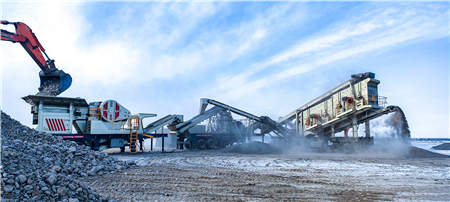
3. Tertiary Impact Crusher (for sand making)
– Model: VSI6X1263
– Throughput: 150-350t/h
– Finished Sand: 0-5mm (95% cubical)
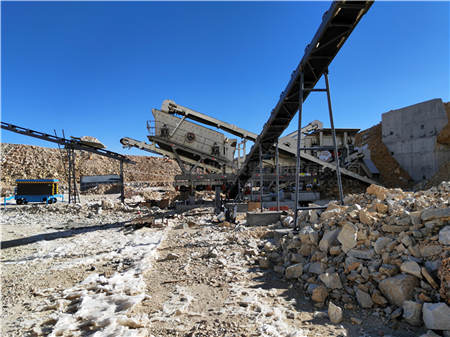
| Equipment | Model | Capacity (t/h) | Output Size | Power |
|——————–|———–|—————-|————-|——-|
| Vibrating Feeder | ZSW490×110 | 400-600 | N/A | 15kW |
| Jaw Crusher | JC120 | 200-400 | ≤200mm | 132kW |
| Cone Crusher | HPC300 | 150-350 | ≤70mm | 220kW |
| VSI Sand Maker | VSI6X1263 | 150-350 | 0-5mm | 315kW |
Q1: What’s the iron content requirement for feed ore?
A: Minimum 30% Fe for economic processing. Lower grades require beneficiation.
Q2: How to control dust in crushing stages?
A: Use wet spraying systems + bag filters (efficiency >99%).
Q3: Lifespan of crusher wear parts?
A: Jaw plates last ~6,000 hours; cone mantles ~4,500 hours (depending on abrasiveness).
Project: Magnetite Processing Plant in Australia
– Ore Type: Hard magnetite (Mohs 6.5)
– Configuration: JC120 jaw crusher + HPC300 cone crusher +