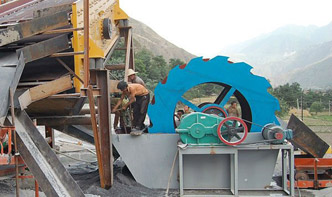
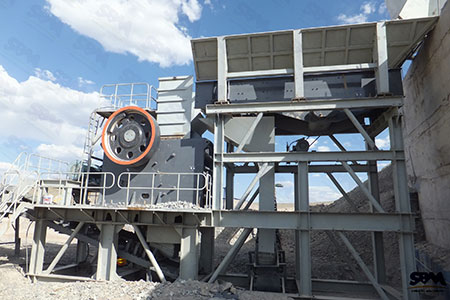
California’s quartz processing plants require efficient crushing and sand-making lines to produce high-quality aggregates. A typical production line includes jaw crushers, cone crushers, vertical shaft impactors (VSI), vibrating screens, and sand washers. Here’s a breakdown of the core equipment:
1. Primary Jaw Crusher:
– Model: JC110
– Feed Size: ≤650mm
– Capacity: 90–300 TPH
– Power: 110 kW
2. Secondary Cone Crusher:
– Model: HPC200
– Max Feed Size: 240mm
– Capacity: 120–400 TPH
– Power: 160 kW
3. Tertiary VSI Crusher (Sand Maker):
– Model: VSI-1140
– Feed Size: ≤50mm
– Capacity: 60–350 TPH
– Power: 250 kW
4. Vibrating Screen:
– Model: 3YK2460
– Screen Layers: 3
– Capacity: 80–500 TPH
Raw quartz is fed into the jaw crusher for coarse crushing, then conveyed to the cone crusher for secondary crushing. The VSI crusher further refines the material into sand-sized particles. Screens classify the output into different sizes (0–5mm, 5–10mm, 10–20mm), while sand washers remove impurities.
Q1: What is the typical output of a quartz processing plant?
A1: Depending on configuration, outputs range from 100 to 500 TPH of sand and aggregates.
Q2: How to reduce dust in quartz crushing?
A2: Use water spray systems and enclosed conveyors with dust collectors.
Q3: What are the common applications of quartz sand?
A3: Glass manufacturing, construction concrete, and electronics industries.
A California-based plant upgraded to a 300 TPH quartz processing line, achieving 95% passing rate for 0–5mm sand. The setup included a JC110 jaw crusher, HPC