Vibrating screens are critical in aggregate processing, ensuring efficient material classification for crushed stone, sand, and gravel. This article explores key equipment, technical parameters, and real-world applications in a crushing-sand-making production line.
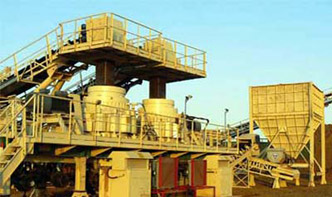
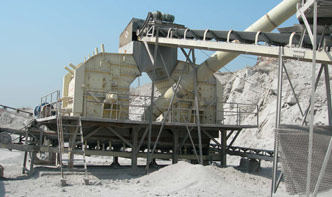
A typical production line includes:
1. Vibrating Feeder: Pre-sorts raw materials (e.g., GZD-1100×4200, capacity 150–400 t/h).
2. Jaw Crusher: Primary crushing (e.g., PE-600×900, feed size ≤500 mm, output 50–160 t/h).
3. Vibrating Screen: Multi-layer screening (e.g., 3YK-2160, screen area 6 m², power 18.5 kW).
4. Sand Maker: VSI crusher for shaping (e.g., VSI-7611, throughput 60–180 t/h).
– Screen Mesh Customization: Wire mesh, polyurethane, or rubber decks for varying abrasion resistance.
– Amplitude & Frequency: Adjustable (e.g., 8–12 mm amplitude, 800–1200 rpm) for optimal efficiency.
– Dust Control: Integrated water spray or sealed covers for compliance with environmental standards.
Q: How to reduce screen clogging?
A: Use anti-blocking meshes or ultrasonic cleaners for sticky materials.
Q: What’s the lifespan of screen panels?
A: Polyurethane lasts ~6 months in high-abrasion applications; steel meshes last 3–4 months.
Project: 200 t/h granite sand plant in Malaysia.
Solution: Deployed 3YK-2460 vibrating screen with polyurethane mats, achieving 95% screening efficiency and <5% undersize particles. Maintenance costs reduced by 30% vs. traditional wire mesh.
For a detailed quotation tailored to your project, contact our engineering team with material specs and desired output.