Grinding balls are critical components in crushing and sand-making production lines, primarily used in ball mills to pulverize raw materials like limestone, granite, and basalt into fine particles for further processing. These high-wear-resistant balls ensure efficient grinding, reducing energy consumption and maintenance costs.
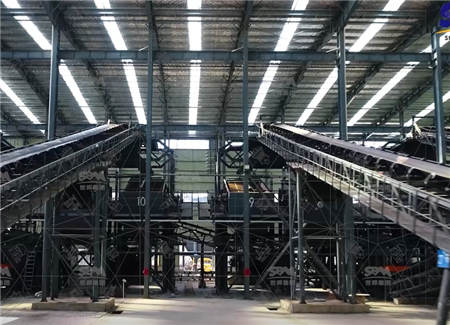
A typical production line includes:
1. Primary Crusher: Jaw or gyratory crushers for coarse crushing (e.g., feed size up to 1500mm).
2. Secondary Crusher: Cone or impact crushers for intermediate crushing (output size: 20–50mm).
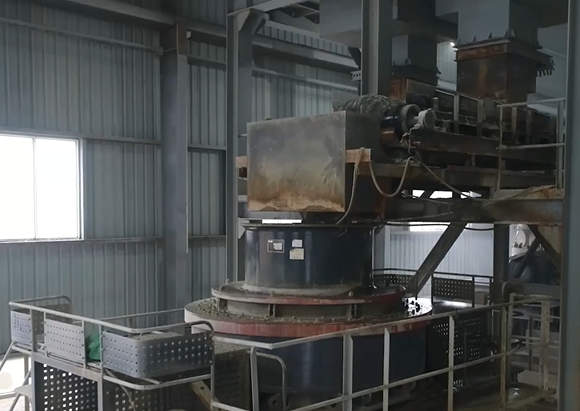
3. Ball Mill: Equipped with grinding balls (Φ20–120mm) to refine raw materials to 0.074–0.4mm.
4. Sand Maker: VSI or HSI crushers produce manufactured sand (0–5mm).
| Material | Diameter (mm) | Hardness (HRC) | Wear Rate (g/ton) |
|---|---|---|---|
| High Chrome | 20–120 | 58–65 | 30–50 |
| Forged Steel | 25–100 | 55–62 | 50–80 |
| Casted Iron | 30–120 | 45–55 | 80–120 |
Q1: How often should grinding balls be replaced?
A: Depending on material hardness and usage, high-chrome balls last 6–12 months, while forged steel balls require replacement every 3–6 months.
Q2: What’s the optimal ball size for a Φ3.2m ball mill?
A: For coarse grinding, use Φ80–100mm balls; for fine grinding, Φ20–50mm is recommended.
Project