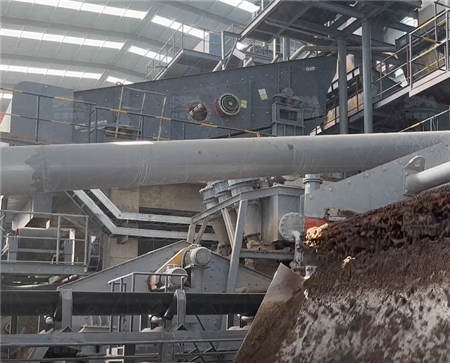
A rock feeder bin and conveyor system is a critical component in crushing and sand-making production lines. It ensures continuous material flow, reduces downtime, and optimizes efficiency. The feeder bin regulates material input, while the conveyor transports crushed aggregates to subsequent processing stages like screening or further crushing.
Below are typical parameters for a robust rock feeder bin and conveyor system:
| Parameter | Feeder Bin | Conveyor |
|———————|————————|—————————|
| Capacity | 50–500 TPH | 100–1,000 TPH |
| Material | Hard rock, gravel | Rubber/steel belt |
| Power | 5–30 kW | 7.5–75 kW |
| Inclination | N/A | 0–30° |
The system works seamlessly with primary crushers (e.g., jaw crushers), secondary crushers (cone/impact crushers), and vibrating screens. For example, a 300 TPH granite processing line might use:
1. Feeder Bin: 10 m³ capacity with adjustable gate.
2. Conveyor: 800 mm width, 20 m length, inclined at 15°.
Q: How to prevent material blockage in the feeder bin?
A: Install vibrators or adjustable gates to regulate flow.
Q: What maintenance does the conveyor require?
A: Regular belt tension checks, roller lubrication, and debris removal.
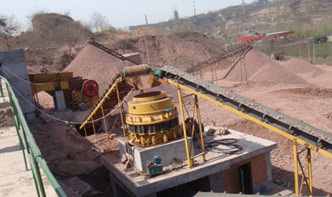
Project: Limestone crushing plant in Texas, USA.
Solution: Deployed a 200 TPH feeder-conveyor system with a 8 m³ bin and a 650 mm-wide conveyor. Resulted in a 20% increase in throughput and reduced jamming incidents by 35%.