A well-designed crusher plant is critical for efficient aggregate production. Key requirements include:
1. Site Preparation: Level ground with proper drainage and stable soil conditions.
2. Power Supply: Reliable electricity (typically 380V, 50Hz) or diesel generators for mobile units.
3. Permits: Environmental and operational licenses compliant with local regulations.
4. Feed Material Analysis: Knowledge of hardness (e.g., Mohs scale), moisture content, and input size (e.g., ≤500mm).
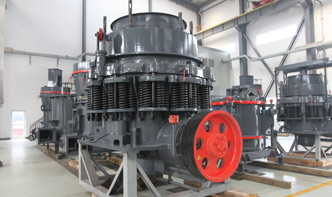
A standard crushing-screening line includes:
– Primary Jaw Crusher: Processes large rocks (e.g., feed size ≤750mm, capacity 50–800 t/h).
– Secondary Cone Crusher: For finer crushing (output 20–60mm).
– Tertiary Impact Crusher/VSI: Produces shaped aggregates or sand (0–5mm).
– Vibrating Screens: Multi-deck screens segregate sizes (e.g., 3YK3070, 3-layer, 50–600 t/h).
| Equipment | Model Example | Key Parameters |
|---|---|---|
| Jaw Crusher | PE600×900 | Feed: 500mm, Capacity: 60–160 t/h |
| Cone Crusher | HPT300 | Max Feed: 185mm, Output: 19–38mm |
| VSI Crusher | S8 | Capacity: 120–360 t/h, Sand yield: 30%–50% |
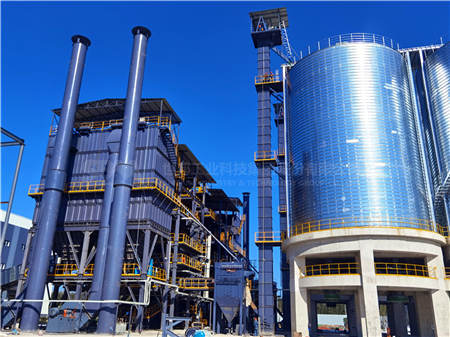
Q1: How to reduce dust pollution?
A: Use water sprays or install bag filters at transfer points.
Q2: What’s the lifespan of wear parts?
A: Jaw plates last ~6 months; cone mantles ~3 months (varies with material abrasiveness).
Location: Queensland, Australia