For small-scale copper refining, a compact and efficient crushing-sand making production line is essential. The process typically involves primary crushing, secondary grinding, and flotation to extract high-purity copper. Key equipment includes jaw crushers, ball mills, and flotation machines.
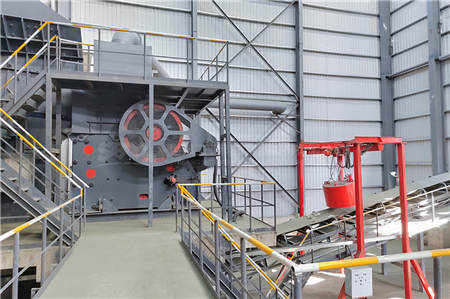
1. Jaw Crusher (PE Series)
– Feed Size: ≤750mm
– Capacity: 15-300 TPH
– Power: 30-160 kW
– Application: Primary crushing of copper ore.
2. Ball Mill (MQG Series)
– Capacity: 0.5-50 TPH
– Rotation Speed: 20-22 rpm
– Power: 18-800 kW
– Application: Grinding crushed ore into fine powder for flotation.
3. Flotation Machine (SF Series)
– Capacity: 0.2-20 m³/min
– Power: 1.5-30 kW
– Recovery Rate: ≥85%
1. Crushing Stage: Copper ore is fed into a jaw crusher for primary size reduction.
2. Grinding Stage: The crushed material is transferred to a ball mill for fine grinding.
3. Flotation Stage: The powdered ore undergoes flotation to separate copper concentrate from waste rock.
Q1: What is the ideal feed size for a jaw crusher in copper processing?
A: ≤750mm for optimal efficiency and minimal wear.
Q2: How to improve flotation recovery rates?
A: Optimize reagent dosage and ensure proper particle size (80% passing 200 mesh).
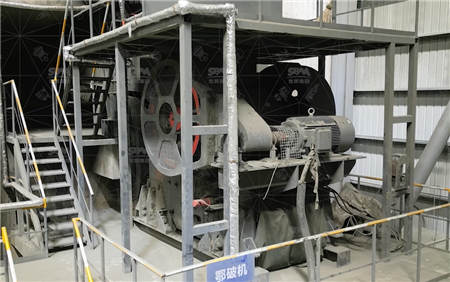
A small-scale copper refinery in Chile adopted a 50 TPH line with PE400×600 jaw crusher + MQG1530 ball mill + SF4 flotation machine, achieving 88% copper recovery and 25% energy savings compared to traditional methods.