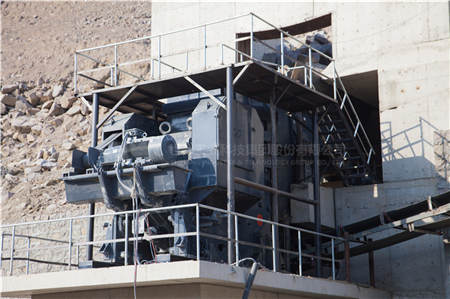
Bauxite primary crushers are essential for processing raw bauxite ore into usable aggregates. Typically, jaw crushers or gyratory crushers serve as the first-stage crushing equipment, reducing large boulders (up to 1.5m) to smaller fragments (<200mm). Popular models include:
| Model | Feed Size (mm) | Capacity (t/h) | Power (kW) |
|---|---|---|---|
| PE-600×900 | 500 | 50-160 | 75 |
| CJ612 | 1100×850 | 300-600 | 110 |
| HGT4265 | 1065 | 2015-4400 | 400 |
A standard production line includes:
1. Primary crushing (Jaw/Gyratory Crusher)
2. Secondary crushing (Cone Crusher)
3. Tertiary crushing (VSI Crusher for shaping)
4. Screening equipment (Multi-deck Vibrating Screens)
5. Conveying system
Q1: What’s the typical output size after primary crushing?
A: Usually 150-200mm, adjustable via crusher settings.
Q2: How to prevent wear in bauxite crushing?
A: Use manganese steel liners and implement regular maintenance.
Q3: Can one crusher handle wet bauxite?
A: Special models with drainage systems are required for high-moisture materials.
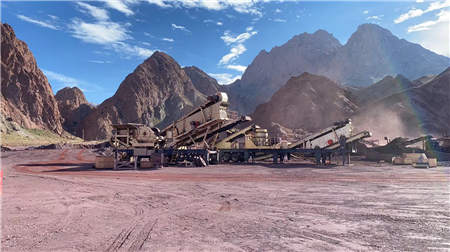
Location: Kuantan, Malaysia
Equipment Used:
– Primary: PE750×1060 Jaw Crusher
– Secondary: HPT300 Cone Crusher
– Capacity: 200t/h
Final Products:
– 0-5mm sand (30%)
– 5-20mm aggregate (50%)
– 20-40mm aggregate (20%)
The complete