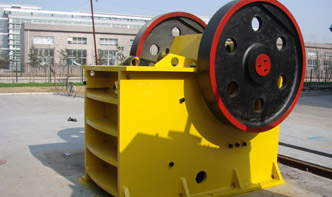
A jaw crusher is a primary crushing machine in aggregate production lines, widely used in mining, construction, and recycling industries. It operates by compressing material between two jaw plates: a fixed plate and a movable plate. The movable jaw exerts force on the rock, breaking it into smaller pieces through repeated cycles of compression and release.
– Fixed Jaw Plate: Stationary and mounted on the crusher frame.
– Movable Jaw Plate: Driven by an eccentric shaft, creating an elliptical motion.
– Toggle Plate: Acts as a safety mechanism to protect the crusher from overload.
– Eccentric Shaft: Transmits power from the motor to the movable jaw.
| Model | Feed Opening (mm) | Max Feed Size (mm) | Capacity (t/h) | Power (kW) |
|——-|——————-|——————–|—————-|————|
| PE-400×600 | 400×600 | 340 | 16–64 | 30 |
| PE-750×1060 | 750×1060 | 630 | 110–320 | 110 |
| PE-1200×1500 | 1200×1500 | 1020 | 400–800 | 160–220 |
Q: What materials can a jaw crusher process?
A: It handles hard rocks (granite, basalt), ores, and recycled concrete.
Q: How to reduce wear on jaw plates?
A: Use high-manganese steel plates and ensure proper feed distribution.
Q: What causes uneven discharge size?
A: Worn jaw plates or incorrect feed size distribution.
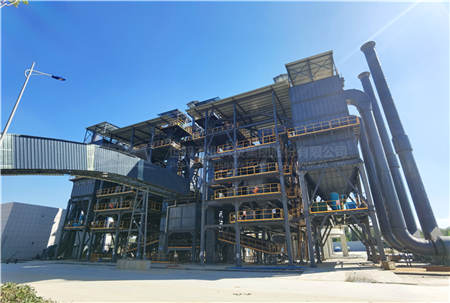
A granite quarry in Brazil deployed a PE-750×1060 jaw crusher as the primary stage, achieving a throughput of 250 t/h with a final product size of ≤150 mm. The setup reduced downstream cone crusher load by 30%, optimizing overall production costs.
For optimal performance, regular maintenance (e.g., lubrication checks, plate inspections) is critical to extend equipment lifespan and ensure consistent output quality.