The coal crusher is a critical component in mining and aggregate production lines, designed to reduce large coal chunks into smaller particles for further processing. Its robust internal construction ensures efficient crushing while minimizing wear.
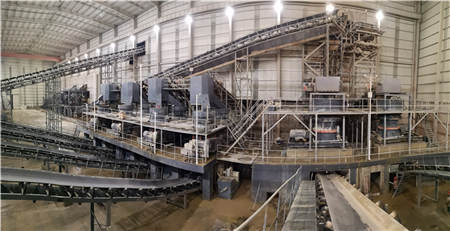
1. Rotor Assembly: High-carbon steel rotor with reversible hammer tips (typically 4-6 rows) rotates at 500-1500 RPM.
2. Crushing Chamber: Lined with Mn steel replaceable liners (12-18% Mn content).
3. Grid Bars: Adjustable spacing (30-100mm) controls final particle size.
4. Drive System: Heavy-duty bearings (SKF/FAG) with V-belt or direct coupling.
| Model | Capacity (t/h) | Power (kW) | Max Feed Size (mm) |
|---|---|---|---|
| CPS900 | 80-120 | 110 | 300 |
| CPS1200 | 150-200 | 160 | 400 |
| CPS1600 | 250-350 | 250 | 500 |
Modern coal crushing lines typically integrate vibrating screens (1800×4800mm deck size) for closed-circuit operation, achieving 95% screening efficiency with polyurethane mesh panels.
Q: Excessive vibration during operation?
A: Check hammer balance (±5g tolerance), bearing condition, and foundation bolts.
Q: Rapid wear of hammer tips?
A: Ensure material hardness doesn’t exceed HRC62 and maintain proper feed distribution.
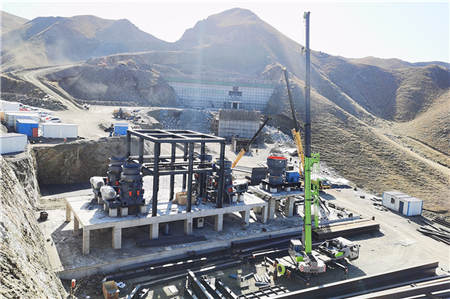
A Vietnamese power plant installed two CPS1200 crushers in parallel configuration, achieving 380t/h throughput with ≤30mm final product size. The system reduced downtime by 40% through automatic lubrication and online monitoring features.