Modern artificial sand production relies on specialized crushing and screening equipment to transform raw materials (e.g., granite, basalt, limestone) into high-quality manufactured sand for construction. A typical production line includes:
1. Primary Jaw Crusher: Coarse crushing (e.g., 600×900mm feed size, 50–150mm output).
2. Secondary Cone Crusher: Medium/fine crushing (e.g., ≤250mm input, ≤30mm output).
3. Sand Maker (VSI Crusher): Shaping sand particles (0–5mm, adjustable fineness modulus).
4. Vibrating Screen: Multi-layer sieving (e.g., 3YK3070, 3 decks).
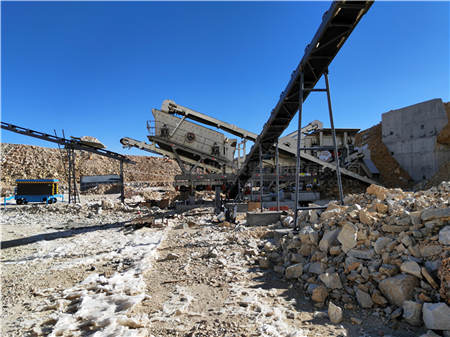
| Equipment | Model Example | Capacity (t/h) | Power (kW) |
|---|---|---|---|
| Jaw Crusher | PE750×1060 | 110–320 | 110 |
| Cone Crusher | HPT300 | 200–500 | 315 |
| VSI Crusher | B-9100SE | 100–520 | 400 |
| Screening Machine | 3YK3070 | 70–150 | 15×2 |
Q1: What’s the difference between natural and artificial sand?
A: Artificial sand has angular particles for better bonding, while natural sand is rounded. Controlled gradation in manufactured sand improves concrete strength.
Q2: How to reduce dust in sand production?
A: Use wet processing or install dust collectors (e.g., pulse bag filters) at transfer points.
A 200tph plant processed limestone into 0–4.