Crushing circuits form the backbone of aggregate processing plants, with jaw crushers serving as primary reduction units. The Bond Work Index (Wi) is critical for evaluating ore hardness and designing efficient systems. Modern jaw crushers like the C6X Series achieve 15-20% higher throughput at Wi values of 10-15 kWh/t compared to conventional models.
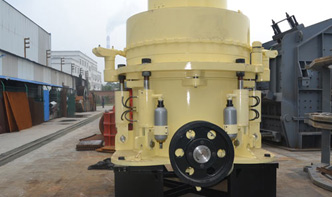
| Model | Feed Size (mm) | Capacity (tph) | Power (kW) |
|---|---|---|---|
| C6X125 | 750 | 160-380 | 160 |
| C6X160 | 1100 | 250-500 | 250 |
| CJ615 | 1070 | 385-805 | 200 |
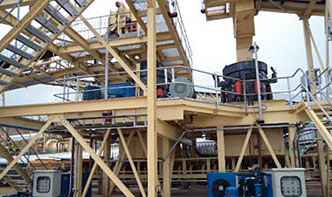
A typical 500tph granite processing line combines:
1. Primary crushing with C6X160 jaw crusher
2. Secondary cone crushing (CSS=35mm)
3. Tertiary VSI shaping (70% cubical content)
4. Multi-deck screening (+5mm recirculation)
Q: How does Wi affect jaw crusher selection?
A: Higher Wi materials require larger feed openings and slower eccentric speeds – our engineers recommend 250-300 rpm for Wi >14 vs 350 rpm for Wi <10.
Q: Typical wear part life?
A: Manganese jaws last 120,000-180,000 tons in granite (Wi=16), reducing to 80,000 tons in quartzite (Wi=19).
Client processed basalt (Wi=18) requiring:
– C6X125 jaw crusher with 200mm CSS
– HP300 cone crusher in closed circuit
– Final product: 0-5mm(30%), 5-10mm(25%), 10-20mm(45%)
Achieved 98% availability through automated lubrication and real-time wear monitoring.