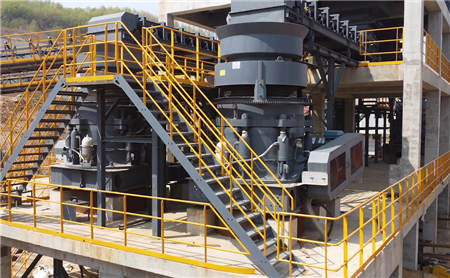
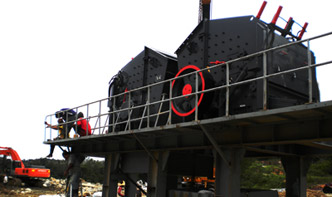
A rod mill grinding line typically includes vibrating feeders, rod mills, vibrating screens, belt conveyors, and control systems. The rod mill serves as the core equipment for intermediate grinding, producing uniform particle sizes ideal for downstream processes like sand making or ball milling.
| Equipment | Model Example | Key Parameters |
|---|---|---|
| Rod Mill | MBZ2136 | Capacity: 25-50t/h; Motor: 160kW; Rod load: 35t |
| Vibrating Screen | YKR2460 | Screen area: 14.4m²; Mesh size: 3-50mm |
| Belt Conveyor | B800×20m | Belt width: 800mm; Speed: 1.25m/s |
The selective grinding action of rod mills minimizes over-crushing, yielding better-shaped aggregates compared to hammer crushers. This makes it particularly suitable for producing railway ballast (16-63mm) and concrete sand (0-5mm).
Q1: Why choose rod mills over ball mills for aggregate production?
A1: Rod mills provide more uniform particle distribution with fewer fines (<0.075mm), reducing material waste.
Q2: What’s the typical service life of grinding rods?
A2: High-carbon steel rods last approximately 6-12 months depending on abrasiveness of feed material.
A granite processing plant in Tanzania adopted MBZ2136 rod mill as primary grinder, achieving:
– Final product: 0-5mm sand (38%) + 5-16mm aggregate (62%)
– Throughput: Stable 45t/h output
– Power consumption: Reduced by 18% versus jaw crusher+cone crusher configuration