Organic impurities in aggregates, such as decaying vegetation or humus, can compromise concrete strength and durability. Modern crushing and sand-making production lines must address this issue through advanced equipment design and process control.
A typical organic impurity removal system includes:
1. Primary Jaw Crusher (PE-600×900)
– Feed opening: 600×900mm
– Capacity: 50-160t/h
2. Secondary Cone Crusher (HPT300)
– Max feed size: 240mm
– Discharge range: 6-51mm
3. VSI Sand Maker (VSI1140)
– Throughput: 180-380t/h
4. Organic Removal System
– Water washing intensity: 5-8m³/h per ton
– Screening efficiency: ≥95%
| Equipment | Model | Power(kW) | Processing Capacity |
|---|---|---|---|
| Pre-screener | YKN2460 | 30 | 400-800t/h |
| Log Washer | LX1200 | 75×2 | 150-200t/h |
| Screw Sand Washer | LSX1120 | 15×2 | 50-120t/h |
Q1: How to detect organic impurities?
A: Use ASTM C40 test method with NaOH solution color comparison.
Q2: What’s the maximum allowable content?
A: Typically ≤0.5% by mass for structural concrete.
A granite processing plant in Dar es Salaam achieved:
– Organic content reduction from 1.8% to 0.3%
– Sand product value <1.0
– Concrete strength improvement by 22%
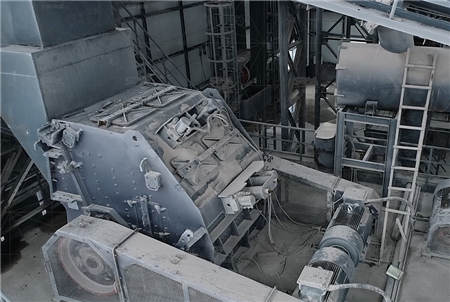
The solution combined log washing with air classification technology, processing 350tph