Iron ore crushing in South Africa demands robust equipment to handle abrasive materials. A primary jaw crusher serves as the cornerstone of such operations, offering high capacity and reliability.
A typical setup includes:
1. Primary Jaw Crusher: Processes raw iron ore (≤1,200mm) into smaller chunks (150–300mm). Models like JC5460 feature a 1,400×1,200mm feed opening and 250–800tph capacity.
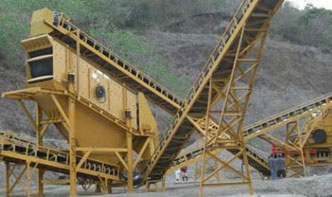
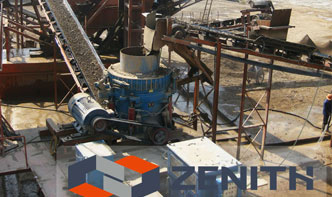
2. Secondary Cone Crusher: Further reduces material to ≤50mm.
3. Vibrating Screens: Classify crushed ore into desired sizes.
4. Belt Conveyors: Transport material between stages.
| Model | Feed Opening (mm) | Capacity (tph) | Power (kW) |
|---|---|---|---|
| JC5460 | 1,400×1,200 | 250–800 | 250 |
| JC3660 | 900×600 | 100–350 | 160 |
Q: What’s the lifespan of jaw crusher liners in iron ore applications?
A: Typically 3–6 months, depending on abrasiveness and maintenance.
Q: Can the same crusher handle granite or basalt?
A: Yes, but adjust settings for hardness variations.
A South African mine deployed a JC5460 jaw crusher for its 650tph iron ore operation, achieving 98% uptime with scheduled liner replacements every 4 months. The final product met smelter-grade specifications (<50mm).